Biological Products:
Bioaugmentation products for Wastewater applications in Papermills, Refineries, Chemical, Tanneries, Municipalities, Textiles, Steel, Agriculture, Animal feedlot, Gun Powder plant, Food and Beverage- Dairy Products, Orange Juice factory, Wineries, Cookie factory, Vegetable processing plant, Meat packing, Barbecue Restaurant, Aquaculture, Ornamental Ponds for algae control, CAFO, Nursing homes, Military, Campgrounds, Universities, Regulatory agencies
Lab Services:
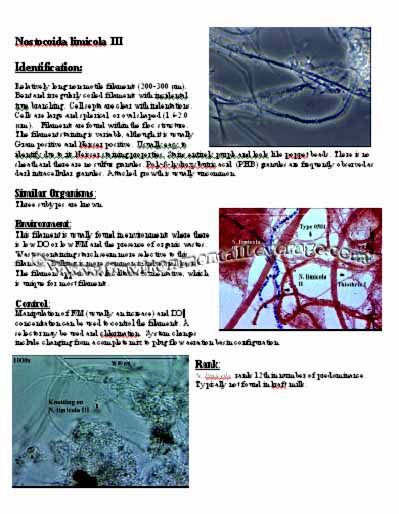
Filamentous Identification Lab Service. One reason to identify filaments is to determine the filaments characteristics and then determine the type present. If the type is found out, a root cause can usually be associated with a particular filament. If the cause is known, then a correction can be made to alleviate problems. Chlorination is only a quick fix. Without process changes, filaments will grow back after chlorination. Wastewater Biomass Analyses and Cooling Tower Analyses also available
Training Materials:
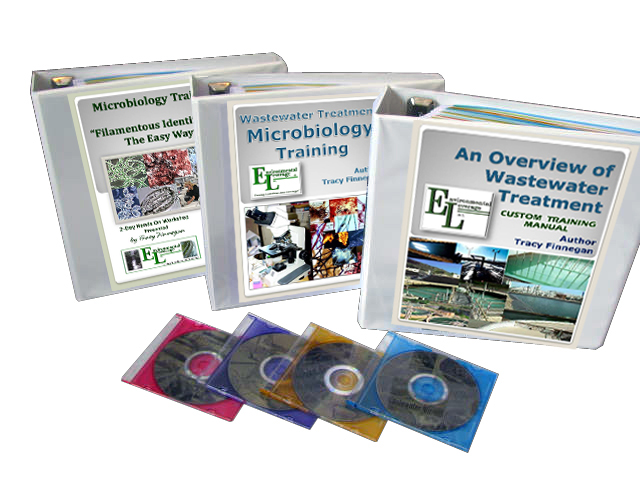
Training is an integral part of any job. Not everyone is at the same level of training. Many people want beginning concepts and basics. Some need technical information or troubleshooting. Some want equipment, technology or process information. We have developed a full set of Basic training, Advanced training, Filamentous Identification the Easy Way as well as custom training CD's Manuals. We also provide hands-on training classes and soon will have an Online "E-University".
Audits and Consulting:
At Environmental Leverage® Inc., we have a team of experienced individuals who come into your plant with a fresh pair of eyes. The system is checked from influent to effluent. System optimization, equipment efficiency and operational excellence are key components explored. Key Benefits Equipment efficiency Total Cost of Operation reductions Reliability and safety An onsite audit is conducted to examine system parameters, process controls, and current monitor and control procedures. A physical walk-through is conducted, process flow diagrams are examined, previous design criteria are examined and current standard operating procedures are evaluated along with data logs.
|
Wastewater Biomass AnalysesLatest News!
What's New!
We have just added "Virtual Audits" to our capabilities. Check out our new Services. We are in the process of developing new courses for our ""Online E-University" in order to meet the needs of our global customers that cannot travel to our public classes.Visit our new website www.WastewaterElearning.com/Elearning What exactly is going on in my system? How do I know what I am looking at?
Well, I do not know how to do
that myself, what can I do. . You can send in a wastewater sample to
our lab for an analysis. Our Lab biomass analysis can troubleshoot from your
sample submitted.
What would
that analysis consist of? A wastewater biomass analyses would consist of a number
of different things. A brief
cover letter explaining the overall health of your system as observed
through the sample. Any suggestions for troubleshooting that might be
indicated by the observations noted. The report includes an analysis of the
floc, the higher life forms and possible filamentous identifications if
requested.
What is a wastewater biomass analysis? The Wastewater Biomass Analyses consists of two sheets, a Higher Life Form sheet and the Floc Characterization Sheet.
What is
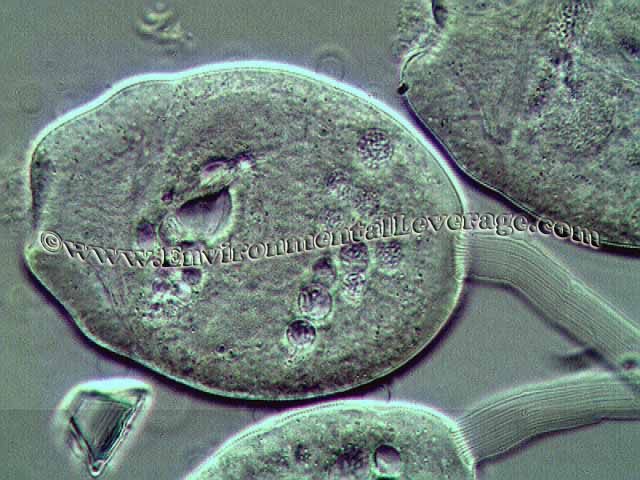
the Higher Life Form or “Indicator Organism” Sheet The Higher Life Forms Sheet shows the number and types of higher life forms found in the wastewater sample. It is usually performed under the microscope at 100x. An average of 10 fields is used to determine the number and types of life forms. The purpose of recording the number of higher life forms is to determine the health and age of the system. Typically the organisms represent only 5% of the biomass. These organisms are exactly what they are called-Indicator organisms. They are usually the last to come and the first to go in a system if it is not running properly. They usually correlate to the plant performance. They can indicate if the sludge is young, old or medium aged. They can sometimes indicate if there had been a recent slug of high BOD loading.
The Floc Characterization Sheet The Floc Characterization Sheet is used to identify outstanding characteristics of the floc structures found in the biomass, including size, morphology, filament abundance, etc.
Filamentous Identification
Start your way now to a cleaner, brighter
effluent with fewer hassles in your waste treatment plant.
Filamentous bulking vs. Zoogleal bulking Click this link for: Wastewater Biomass Analyses Information Sample Case History More information Click this link for: Additional Wastewater Training Materials Ok, you convinced me. How do I go about sending in a sample? 1 We have a Chain of Custody Excel form below to use or your own
form. What will I need to send in? Send in 100 mls of MLSS in a small, plastic bottle with at least 2-3 inches of headspace/airspace in the bottle so that the bacteria have sufficient oxygen during transit and does not turn septic. Seal the bottle carefully. Send overnight by UPS, Fed ex- etc. If possible, pack with blue ice to keep refrigerated during warm weather months.
For Trickling filters or RBC’s please collect
supernatant with biomass that sloughs off. For foam or scum samples, collect foam or scum off
surface, place in plastic container, again leave air space in container.
Download here Chain of Custody Form-Complete Form & Ship with Biomass Sample We are now offering GO
GREEN to our customers. We will not send any paper copies of the report in the
mail. Just the CD with the full report, photos and videos. Please let us know if you want to
GO GREEN for the environment.
Ship MLSS Sample To:
Contact our office as we have multiple ship to locations for labs depending upon the Day and sample load. 630-906-9791
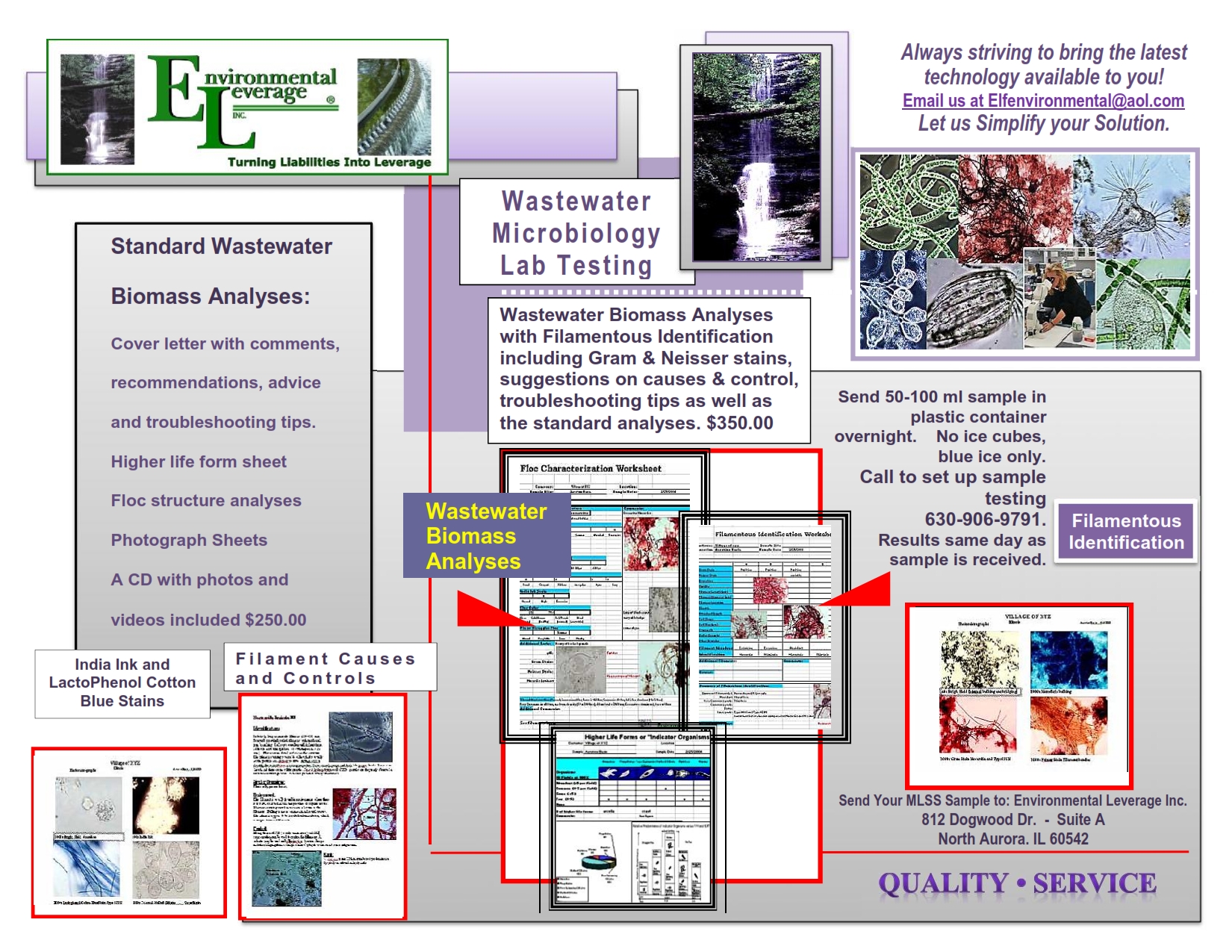
What will the analyses contain: Standard Wastewater Biomass Analyses. The Standard Wastewater Biomass Analyses will contain a cover letter with comments, recommendations and troubleshooting tips. Additional training materials may be included if conditions at the plant require it. A Higher life form sheet will be included as well as a floc structure analyses. A CD with photos and videos of your biomass is included. This analyses costs $275.00
Complete Wastewater Biomass Analyses with Filamentous Identification. This full Standard Analyses plus Filamentous Identification
which includes
Gram & Neisser stains, suggestions on causes and control, troubleshooting
tips as well as and includes everthing in the above standard analyses.
This analyses costs
$375.00
Cooling Tower Microscopic analyses - New lab service $175.00
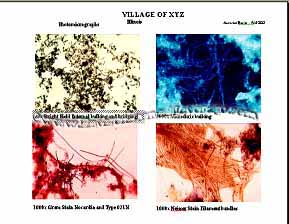
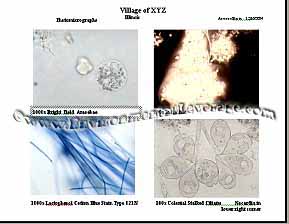
PhotoMicroscopic photograph sheets (above) are included of your sample and a CD with videos and photos taken of your sample is also included along with a document of comments, recommendations and troubleshooting advise. Call now to set up a Wastewater Biomass Analyses or Filamentous Identification of your plant! 630-906-9791 Click to Download PDF Biomass Analyses
Links to additional Training Start your way now to a cleaner, brighter effluent with fewer hassles in your waste treatment plant. Sample Case History More information- Troubleshooting Additional training Materials
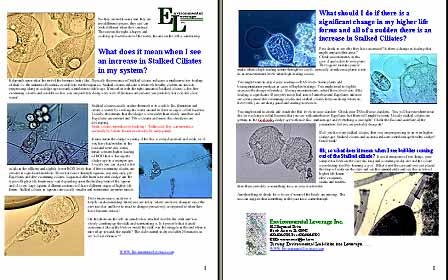
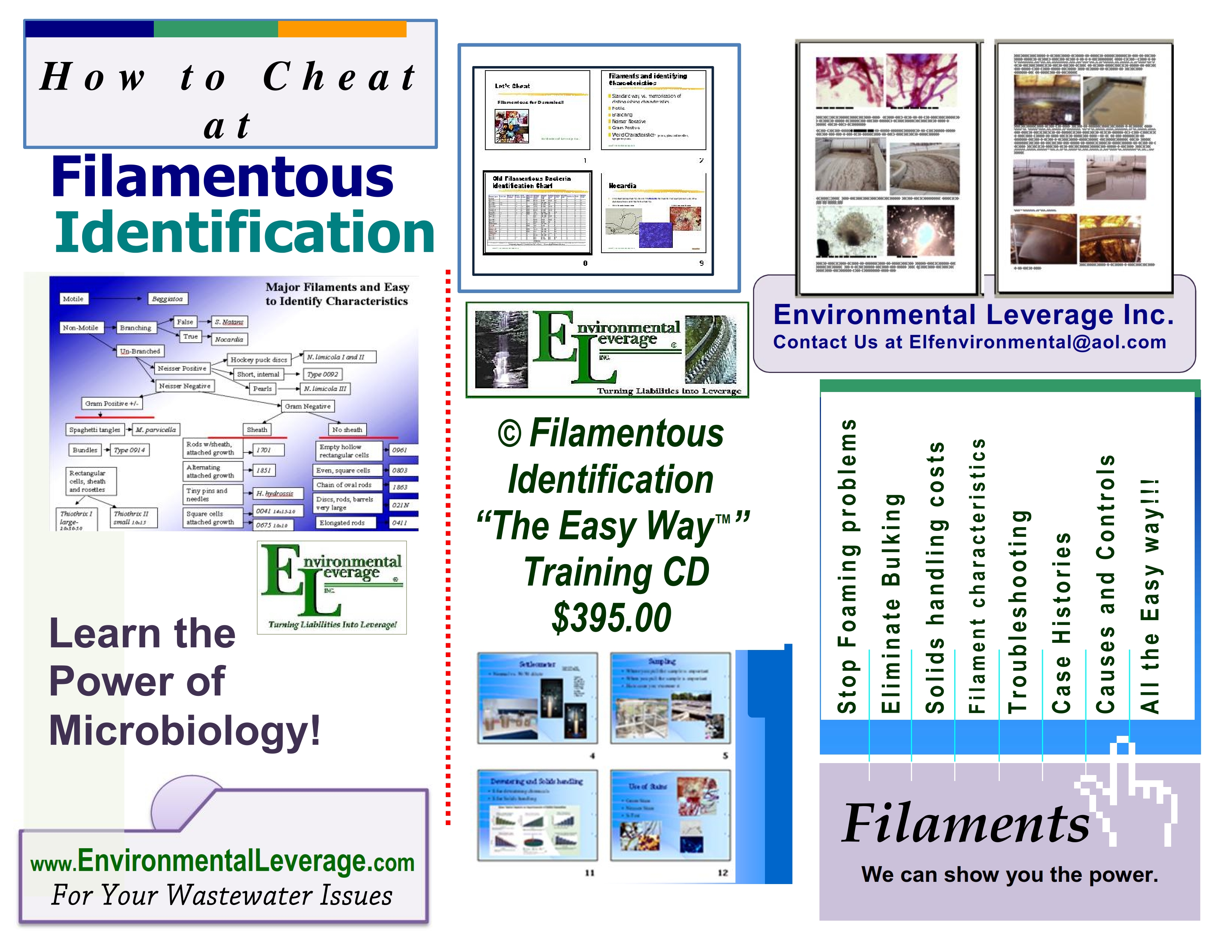
If you need more information on our ©Filamentous Identification the Easy Way™ Training CD or on Internet training on Filamentous bacteria, causes and controls How are your bugs doing?
Wastewater Training Options The greatest equipment and the most efficient, dedicated workers can be ineffective if they are not properly trained. At Environmental Leverage, we have years of experience in many process areas and technical expertise on equipment, systems and operations. Programs to optimize your system or custom training can be tailored to increase the reliability and efficiency of your plant. Look for self taught training materials and training courses below.
We have developed a full line of Training CD's and Elearning classes for training and operator CEU's.
Elearning and General Brochure Click for brochure Online Wastewater Training ELearning -Since wastewater training is such an integral part of any treatment system, we have been asked
to develop an online waste water training program with some of our materials.
Click here and Go straight to our WebSite - www.WastewaterELearning.com Take a sneak peek inside our training courses with our ELearning Demo Make sure to create an account and log in.
Lab Poster
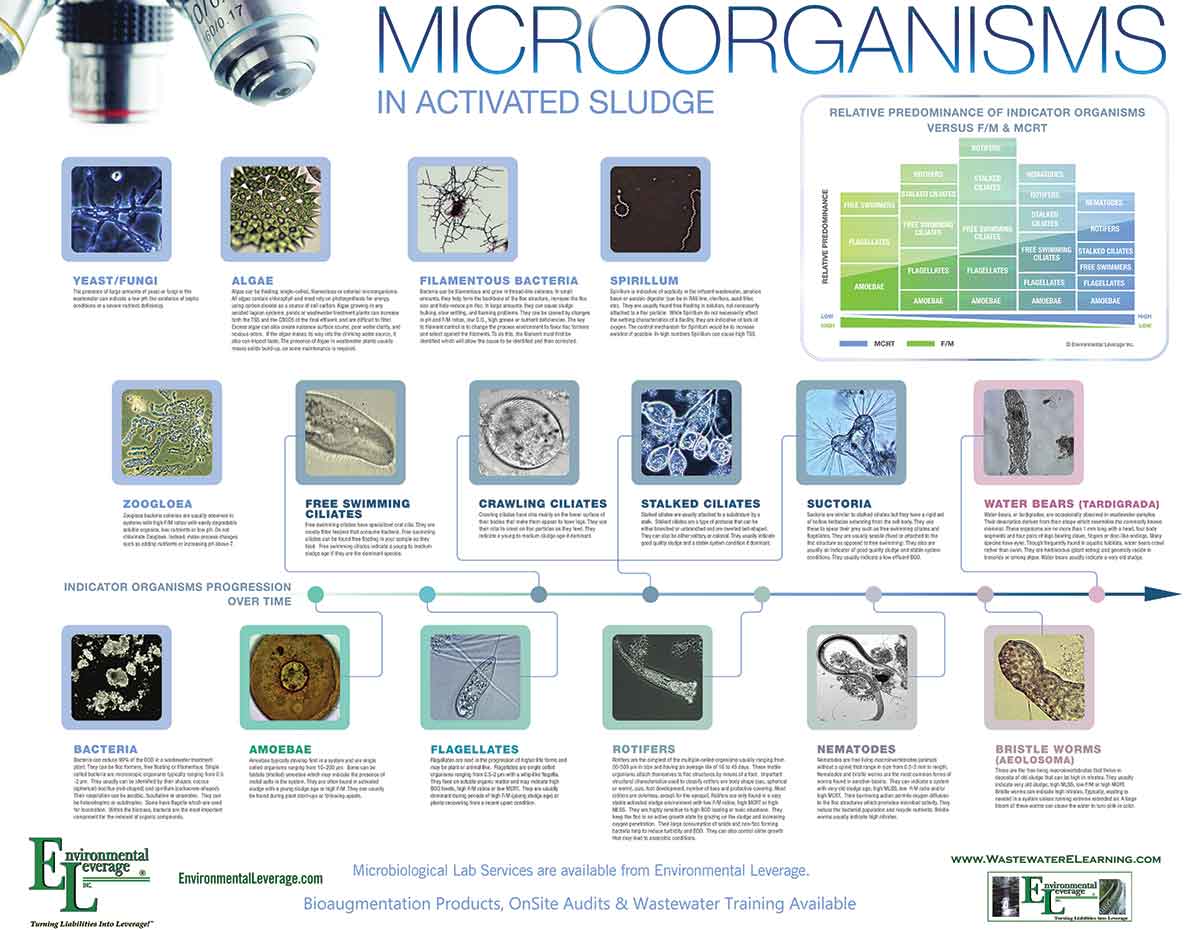
Environmental Leverage Lab Poster for Wastewater Training. This Microbiology Poster has photos as well as descriptions and troubleshooting recommendations of common micro organisms found in most wastewater treatment plants.
Contact Environmental Leverage for more
information about obtaining this poster for your lab or setting up hands on
training, consulting and onsite audits.
|
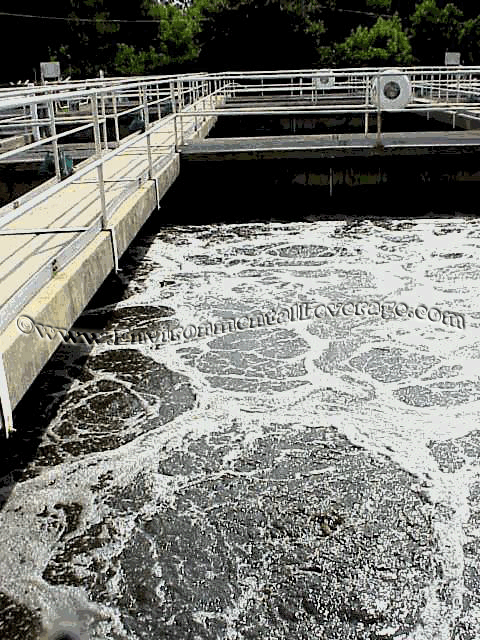 Microscopic analyses of any biological system should be a critical component
of any ongoing daily monitor and control programs. Lab sheets to correlate
health of the system, any changes in floc structures, higher life forms,
filamentous identification, polysaccharide coating of the bacteria and suspended
solids can be determined by using a microscope and examining the biomass. This
is a tool that can help not only show exactly what the health of the system is
at a given time, but can also help predict which direction the plant is headed
if used daily. It is a tool that can also help prevent critical upsets, or be
used as an early warning. In the cases of filamentous problems, staining and
identification of the filamentous can help with troubleshooting and help avoid
costly chemical consumption.
Microscopic analyses of any biological system should be a critical component
of any ongoing daily monitor and control programs. Lab sheets to correlate
health of the system, any changes in floc structures, higher life forms,
filamentous identification, polysaccharide coating of the bacteria and suspended
solids can be determined by using a microscope and examining the biomass. This
is a tool that can help not only show exactly what the health of the system is
at a given time, but can also help predict which direction the plant is headed
if used daily. It is a tool that can also help prevent critical upsets, or be
used as an early warning. In the cases of filamentous problems, staining and
identification of the filamentous can help with troubleshooting and help avoid
costly chemical consumption. 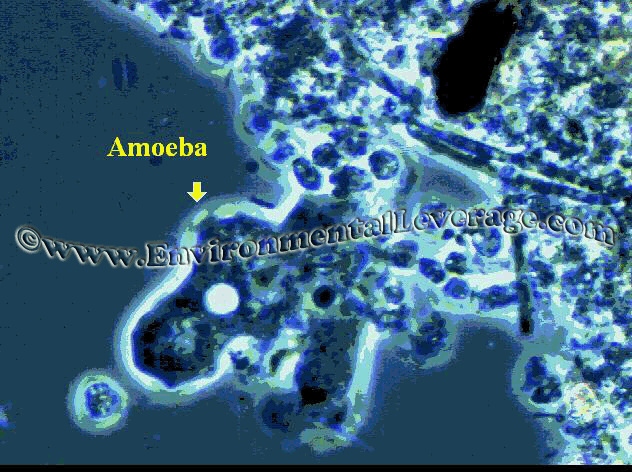
 ?
? Some
things that may be noted on your sheet:
Some
things that may be noted on your sheet: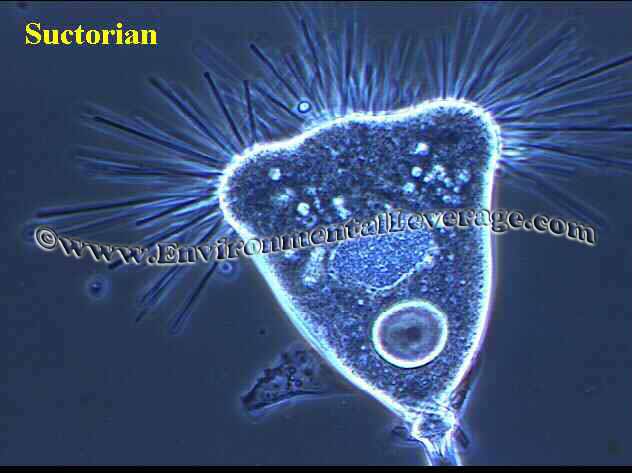
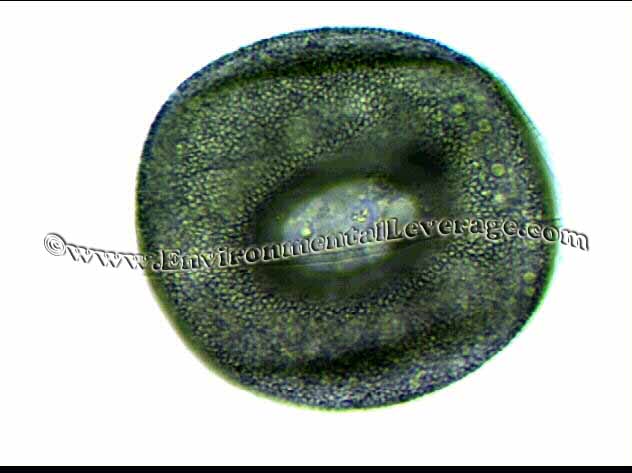 9.
Hyphomicrobium looks like “beans on a stalk”. They are an indication
that denitrification is going on or septicity is present.
9.
Hyphomicrobium looks like “beans on a stalk”. They are an indication
that denitrification is going on or septicity is present. .jpg) Floc
Structures and Filaments
Floc
Structures and Filaments 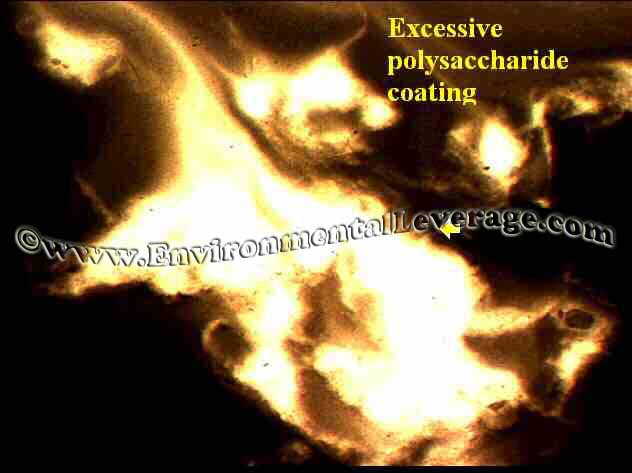 wastewater, is also an important observation when examining floc structure.
The presence of many filamentous bacteria is also examined to determine if
filamentous bulking is responsible for poor settling.
wastewater, is also an important observation when examining floc structure.
The presence of many filamentous bacteria is also examined to determine if
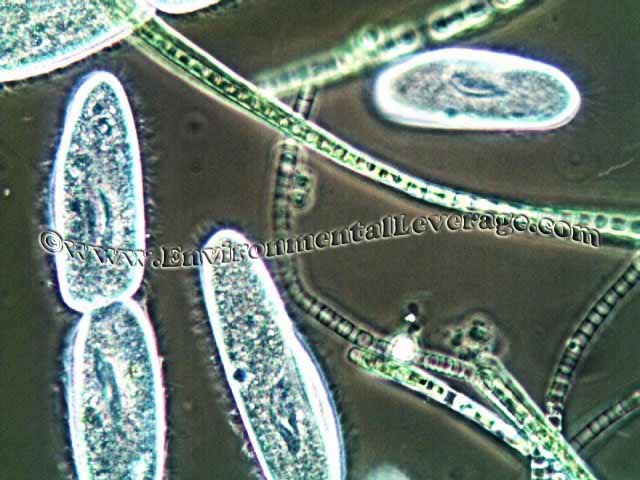
filamentous bulking is responsible for poor settling. 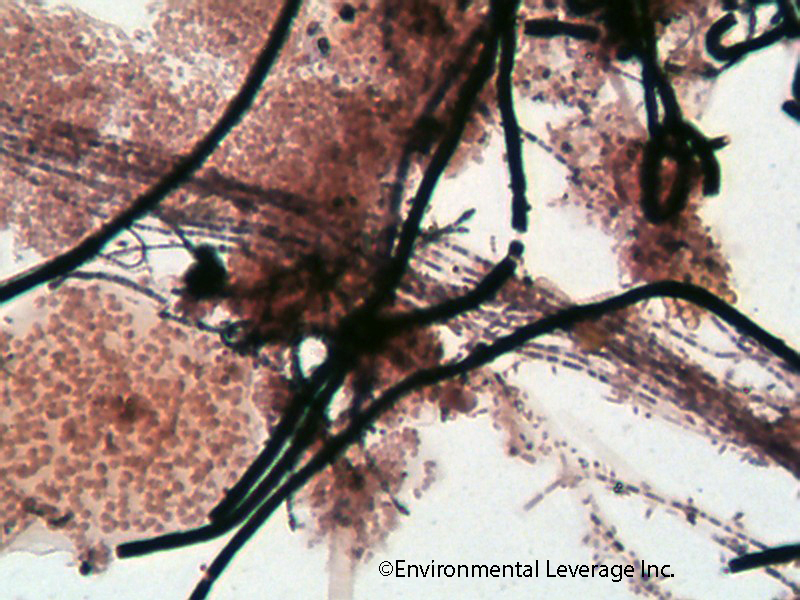 Filaments
can be internal or external and they can be free of the floc structures or
found intertwined in the floc. Filaments present in the system do not always
have to mean a problem. Some filaments are good if they form a strong
backbone and add a rigid network to the floc. They help give the floc
more structure and settle faster. Filaments are good BOD degraders
also. They are only a problem when they become dominant. If
filament abundance is in the abundant or excessive range, having a
Filamentous Identification performed is recommended.
Filaments
can be internal or external and they can be free of the floc structures or
found intertwined in the floc. Filaments present in the system do not always
have to mean a problem. Some filaments are good if they form a strong
backbone and add a rigid network to the floc. They help give the floc
more structure and settle faster. Filaments are good BOD degraders
also. They are only a problem when they become dominant. If
filament abundance is in the abundant or excessive range, having a
Filamentous Identification performed is recommended.  filament. If the cause is known, then a correction can be made to
alleviate problems. Chlorination is only a quick fix. Without process
changes, filaments will grow back after chlorination.
filament. If the cause is known, then a correction can be made to
alleviate problems. Chlorination is only a quick fix. Without process
changes, filaments will grow back after chlorination.