



Biological Products:
Bioaugmentation products for Wastewater applications in Papermills, Refineries, Chemical, Tanneries, Municipalities, Textiles, Steel, Agriculture, Animal feedlot, Gun Powder plant, Food and Beverage- Dairy Products, Orange Juice factory, Wineries, Cookie factory, Vegetable processing plant, Meat packing, Barbecue Restaurant, Aquaculture, Ornamental Ponds for algae control, CAFO, Nursing homes, Military, Campgrounds, Universities, Regulatory agencies
Lab Services:
Filamentous Identification Lab Service. One reason to identify filaments is to determine the filaments characteristics and then determine the type present. If the type is found out, a root cause can usually be associated with a particular filament. If the cause is known, then a correction can be made to alleviate problems. Chlorination is only a quick fix. Without process changes, filaments will grow back after chlorination. Wastewater Biomass Analyses and Cooling Tower Analyses also available
Training Materials:
Training is an integral part of any job. Not everyone is at the same level of training. Many people want beginning concepts and basics. Some need technical information or troubleshooting. Some want equipment, technology or process information. We have developed a full set of Basic training, Advanced training, Filamentous Identification the Easy Way as well as custom training CD's Manuals. We also provide hands-on training classes and soon will have an Online "E-University".
Audits and Consulting:
At Environmental Leverage® Inc., we have a team of experienced individuals who come into your plant with a fresh pair of eyes. The system is checked from influent to effluent. System optimization, equipment efficiency and operational excellence are key components explored. Key Benefits Equipment efficiency Total Cost of Operation reductions Reliability and safety An onsite audit is conducted to examine system parameters, process controls, and current monitor and control procedures. A physical walk-through is conducted, process flow diagrams are examined, previous design criteria are examined and current standard operating procedures are evaluated along with data logs.
|
Service OptionsLatest News!
What's New!
We have just added "Virtual Audits" to our capabilities. Check out our new Services. We are in the process of developing new courses for our ""Online E-University" in order to meet the needs of our global customers that cannot travel to our public classes.Visit our new website www.WastewaterElearning.com/Elearning BioaugmentationBioaugmentation is the application of specifically selected bacteria
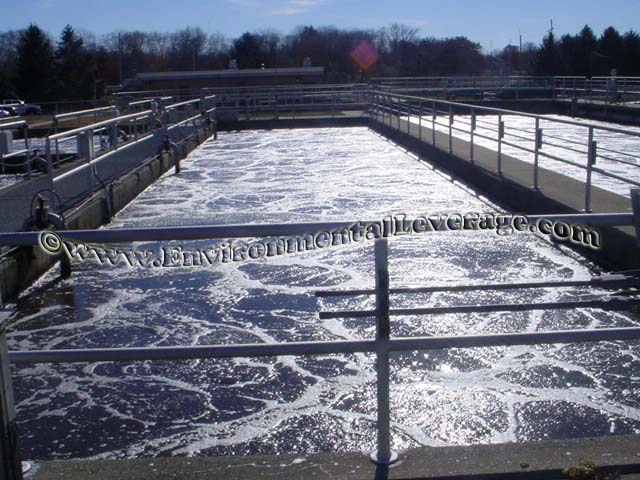
(microbes) into a wastewater treatment system to enhance the system performance
in some way. Bioaugmentation has many applications in all types of biological
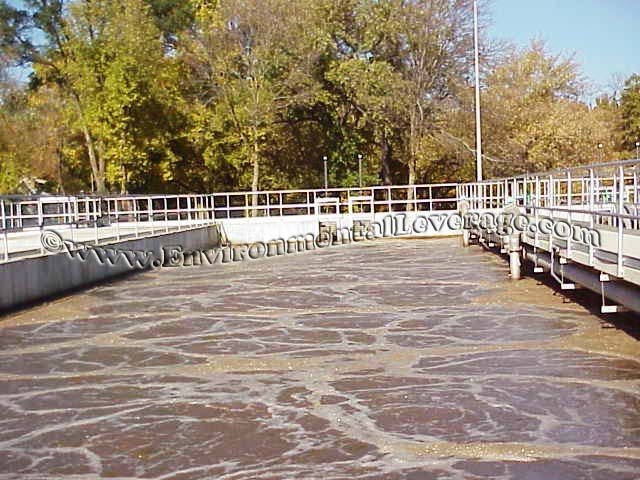
wastewater treatment systems, including once-through lagoons, activated sludge
plants, sequencing batch reactors (SBR's) and rotating biological contactors
(RBC's).
But some plants have constantly changing influents. No matter how great a control they have, their biomass is in constant flux. Sometimes adding a biological product or micronutrients can help stabilize and increase the efficiency of the biomass.
Many times, when a plant has a system that is old or under designed, and capital improvements would be too costly, optimization of the current system plus addition of biological products can short term help avoid costly capital improvements. Some plants discharge to a POTW. Addition of biological products in some cases can decrease the surcharges that are incurred. Sometimes in a once through lagoon, addition of bacteria can shorten recovery time, increase numbers during cold spells or high loading bursts.
Bioaugmentation Applications
and Product Knowledge. Click this sentence link for our Product Catalog Pulp and Papermill, Gun Powder plant, Cookie factory, Vegetable processing plant, Textile Food and Beverage- Dairy Products, Wineries, Breweries, Meat Packing, Orange Juice factory,
Ornamental Pond for algae control, Nursing home lift stations and kitchen
drains Steel Mill, Animal Feed lot, Palm Oil Municipal wastewater treatment plants, Grease, Filaments, Sludge reduction Municipal Lift Stations Barbecue Restaurant, Nitrification recovery Industrial- Food,
Paper, Chemical,
Refinery,
Animal Feed lots, etc. Agriculture Liquid biological products are available where ease of application is
required.
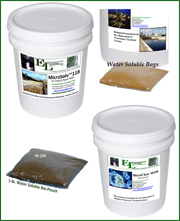
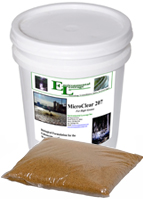
MicroClear® MicroChill™ contains a unique and newly patented proprietary blend of psychrophilic microorganisms that are naturally occurring bacteria with the ability to grow at 4°C, and lower. Excellent for use in cold weather applications. Because of the diversity of the microorganisms and enzyme systems, incorporated into this product, it is excellent for use in Municipal and Industrial Wastewater applications. The safe, naturally occurring bacteria are present in high numbers to handle difficult to treat wastewater problems in lower temperatures.
Remediation
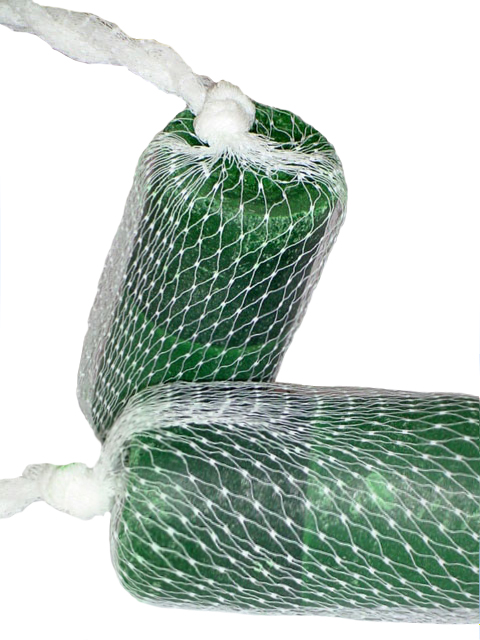
Micronutrients - MicroClear® M100 click for a Product Bulletin.Research biologists have long known the importance of micronutrients,
such as trace minerals, amino acids and vitamins, in the growth and
reproduction of healthy cells. Micronutrients are a blend of trace
minerals, amino acids and vitamins designed to improve performance of
biological systems at the bacterial or cell level. Much of the work on
micronutrients was pioneered in the agricultural industries of poultry,
cattle and pig farming. This product is fed daily as a source of
vitamins to the animals.
MicroClear® M100 - CLick on this link to take you to the M100 page or Click on product picture to the right for Pdf of the Product.
Key Benefits
Products
**Bioaugmentation Programs include
technical support, computer based training and long term programs include
occasional complimentary
Wastewater Biomass Analyses
of your system. |
 Bioremediation
is a treatment process that uses naturally occurring microorganisms to degrade
hazardous substances into less toxic or nontoxic substances. This can be done on
soil, in water, lakes, rivers, ponds, in-Situ for contaminated sites.
Bioremediation
is a treatment process that uses naturally occurring microorganisms to degrade
hazardous substances into less toxic or nontoxic substances. This can be done on
soil, in water, lakes, rivers, ponds, in-Situ for contaminated sites. 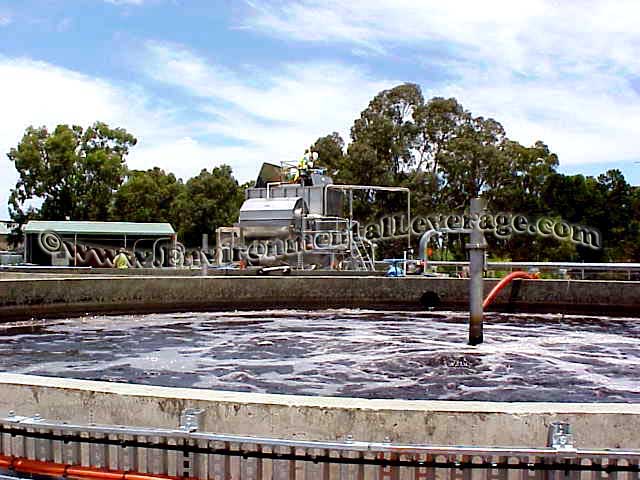
 Basically,
it is the equivalent of "Bug Vitamins". The formulation consists of three
types of micronutrients: trace minerals, amino acids and vitamins.
There are sixteen trace minerals, including calcium, iron, magnesium,
manganese, cobalt, copper and zinc. The formulation also includes
twenty amino acids, such as lysine, and thirteen vitamins, including folic
acid.
Basically,
it is the equivalent of "Bug Vitamins". The formulation consists of three
types of micronutrients: trace minerals, amino acids and vitamins.
There are sixteen trace minerals, including calcium, iron, magnesium,
manganese, cobalt, copper and zinc. The formulation also includes
twenty amino acids, such as lysine, and thirteen vitamins, including folic
acid.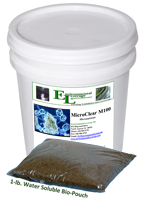
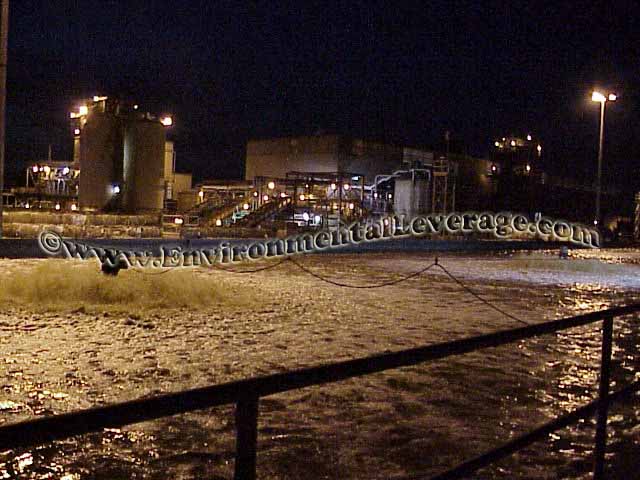
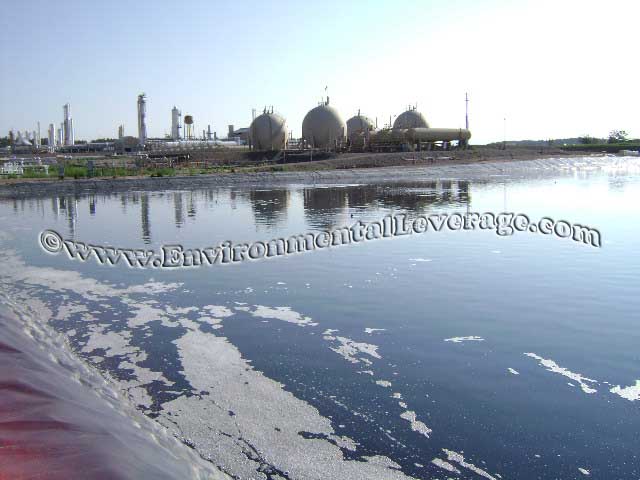
2 Products for use in Wastewater Application for Bioengineering and Bioaugmentation
3 Biological Products, Descriptions, Usage and Applications
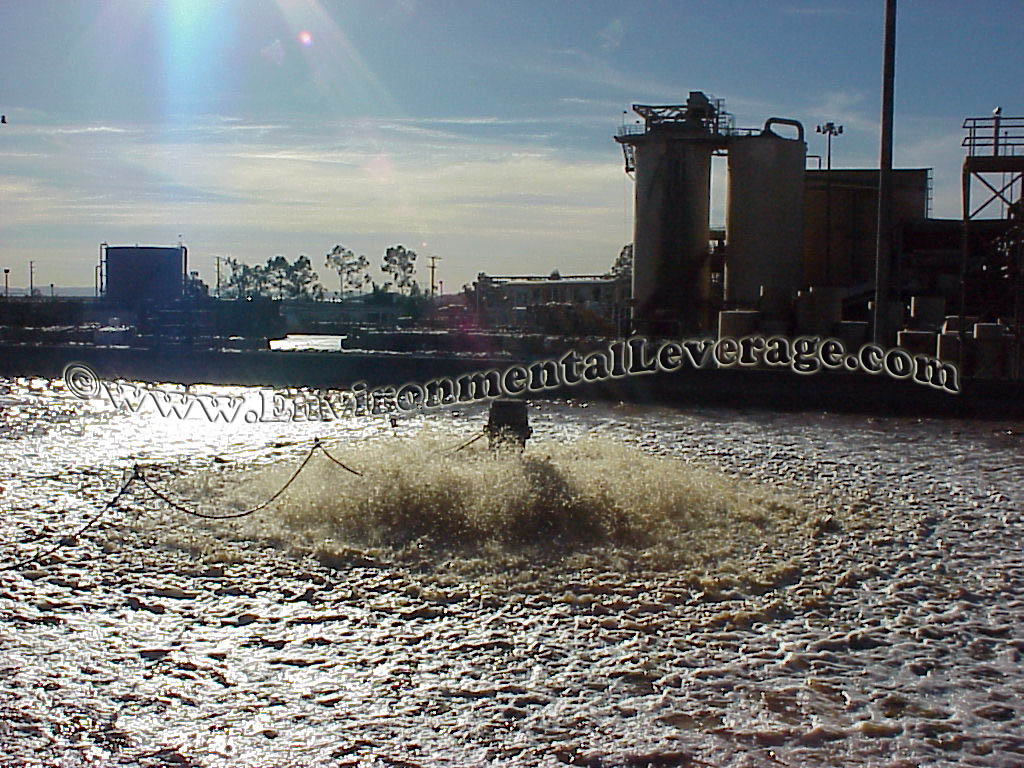
6 Biological Wastewater Treatment Products Catalog
7
How are your bugs doing?
Filamentous Identification Training class
Filamentous Identification The Easy Way- Training Program CD
Wastewater Biomass Analyses Brochure
The Most Comprehensive
Filamentous Bacteria Training Program you will find
Sample
Case History
More information
Additional training Materials

