Biological Products:
Bioaugmentation products for Wastewater applications in Papermills, Refineries, Chemical, Tanneries, Municipalities, Textiles, Steel, Agriculture, Animal feedlot, Gun Powder plant, Food and Beverage- Dairy Products, Orange Juice factory, Wineries, Cookie factory, Vegetable processing plant, Meat packing, Barbecue Restaurant, Aquaculture, Ornamental Ponds for algae control, CAFO, Nursing homes, Military, Campgrounds, Universities, Regulatory agencies
Lab Services:
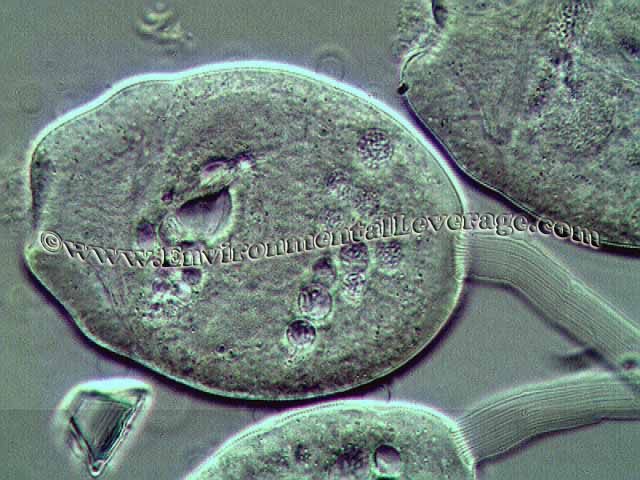
Filamentous Identification Lab Service. One reason to identify filaments is to determine the filaments characteristics and then determine the type present. If the type is found out, a root cause can usually be associated with a particular filament. If the cause is known, then a correction can be made to alleviate problems. Chlorination is only a quick fix. Without process changes, filaments will grow back after chlorination. Wastewater Biomass Analyses and Cooling Tower Analyses also available
Training Materials:
Training is an integral part of any job. Not everyone is at the same level of training. Many people want beginning concepts and basics. Some need technical information or troubleshooting. Some want equipment, technology or process information. We have developed a full set of Basic training, Advanced training, Filamentous Identification the Easy Way as well as custom training CD's Manuals. We also provide hands-on training classes and soon will have an Online "E-University".
Audits and Consulting:
At Environmental Leverage® Inc., we have a team of experienced individuals who come into your plant with a fresh pair of eyes. The system is checked from influent to effluent. System optimization, equipment efficiency and operational excellence are key components explored. Key Benefits Equipment efficiency Total Cost of Operation reductions Reliability and safety An onsite audit is conducted to examine system parameters, process controls, and current monitor and control procedures. A physical walk-through is conducted, process flow diagrams are examined, previous design criteria are examined and current standard operating procedures are evaluated along with data logs.
|
Troubleshooting-Beneficial ReuseLatest News!
What's New!
We have just added "Virtual Audits" to our capabilities. Check out our new Services. We are in the process of developing new courses for our ""Online E-University" in order to meet the needs of our global customers that cannot travel to our public classes.Visit our new website www.WastewaterElearning.com/Elearning
Beneficial Reuse- The new buzzword
At Environmental Leverage™ we bring you innovative strategies and
operational experience to help you Leverage your Liabilities and turn them
into assets! Innovative environmental solutions resulting in a cleaner
environment!
Pollution Prevention Challenge Grants Governor's Awards for Environmental Excellence EPA Resource Conservation Challenge P2 Pays
There are tons of grants and federal loans depending upon the country, region or state that you live in.
Types or sources of Beneficial Reuse Examples of Materials in high demand
Examples by Industry
Potential Wastewater Reuse Applications, Commercial Car Washes, Foundries:
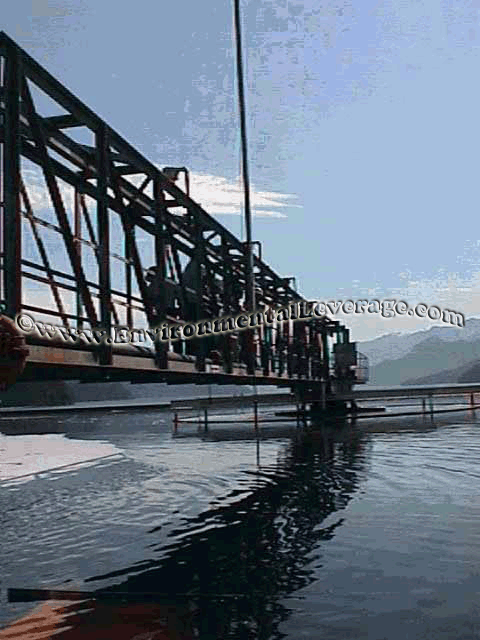
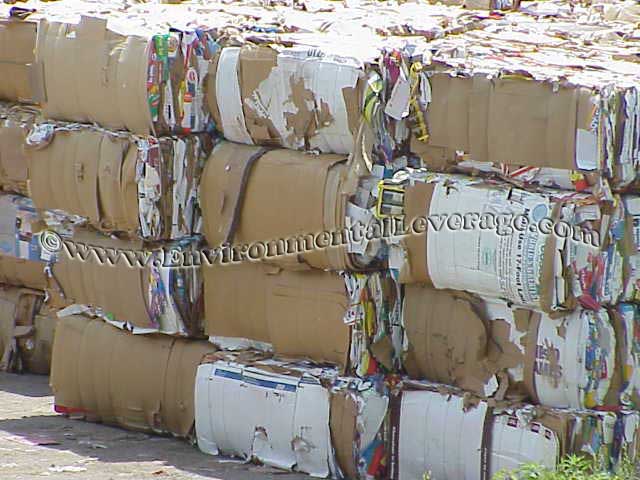
Papermill-
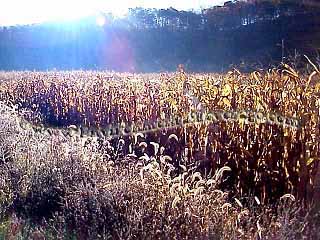
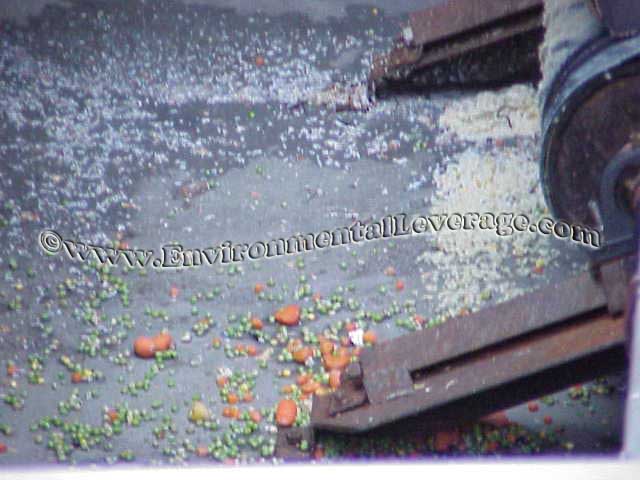
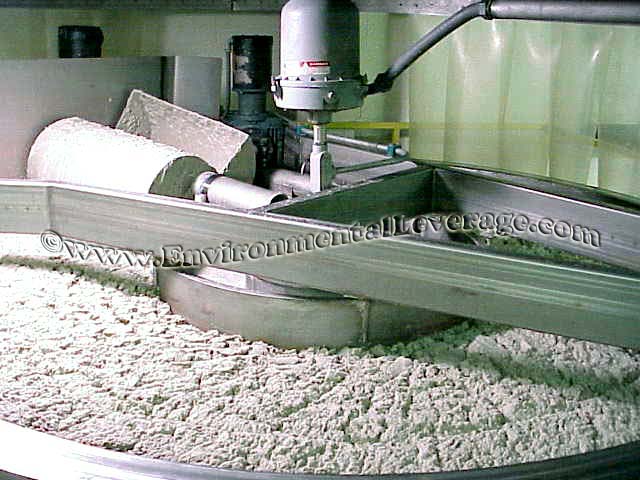
Food Plants- Did you know that the biosolids generated from a food plant that has it's own wastewater treatment plant are an excellent source of nutrients for crops?
Wastewater Biosolids Use of biosolids on crops can reduce the cost of nutrient supplementation
from $60-$140 per acre and provide most of the N and P needed. The biosolids
are a great source of natural nutrients, minerals and can benefit your crop
yield by up to 25%.
Electric Utilities
Chemical Plant-
Wineries Lees, mach, biosolids, water reuse for irrigation or wash water. Not only are the solids good for land application, but some of the newer technology is drying out some of the solids and turning them into biobricks for fireplaces.
Miscellaneous Cement Kiln Dust and Fly Ash can be used in Road Rehabilitation
Examples of Legislation or Links
The Pollution Prevention Resource Exchange (P2Rx) is a consortium of
eight regional pollution prevention information centers, funded in part
through grants from EPA.
Monthly Newsletter RegistrationSign up to receive our Monthly Email Newsletter and be ahead of the curve! Some of the content of our monthly newsletters is posted, some of the information can only be obtained from digital or printed copies of our newsletter. Sign up to receive a digital copy each month!
April 2005 Micronutrients and Spring Turnover August 2006 Operators Tools and Troubleshooting Back issues from 2004 or add your name to our monthly newsletter list Biological Wastewater Treatment Products
International and National Materials Exchanges http://www.epa.gov/epaoswer/non-hw/recycle/jtr/comm/exchnat.htm Pollution Prevention Opportunities
|
 What
does it really mean? To some people it can be translated as "One man's
garbage is another man's treasure!!!"
What
does it really mean? To some people it can be translated as "One man's
garbage is another man's treasure!!!"
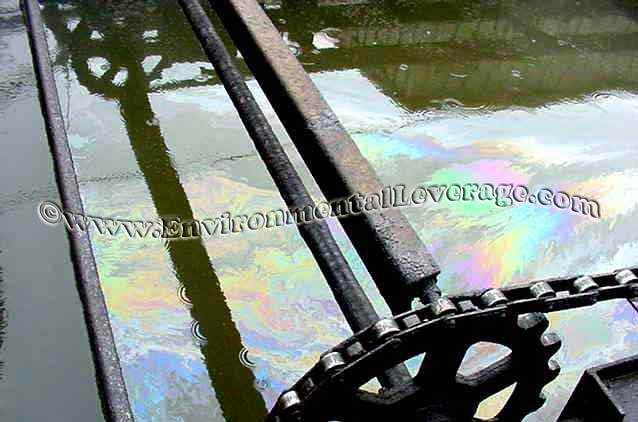 Refinery-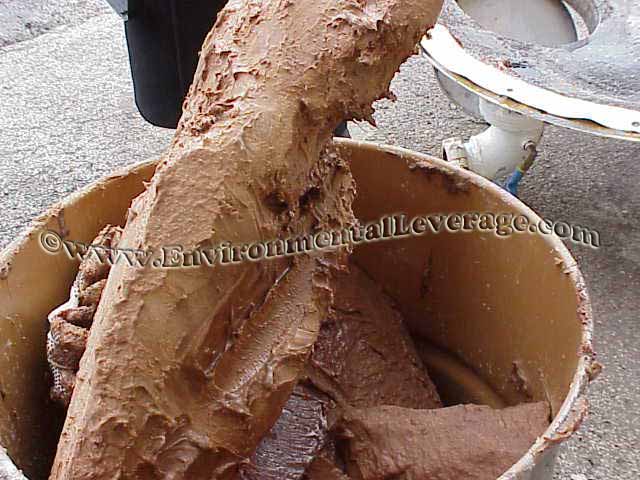
 Fly
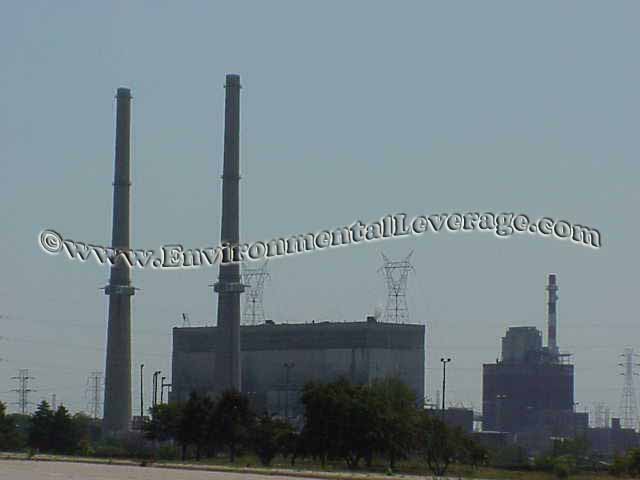
ash and bottom ash- landfill caps, road construction, cement, planters,
statues for fill, stabilization of hazardous wastes, Decorative black glass
was produced using fly ash as the main component,
Fly
ash and bottom ash- landfill caps, road construction, cement, planters,
statues for fill, stabilization of hazardous wastes, Decorative black glass
was produced using fly ash as the main component,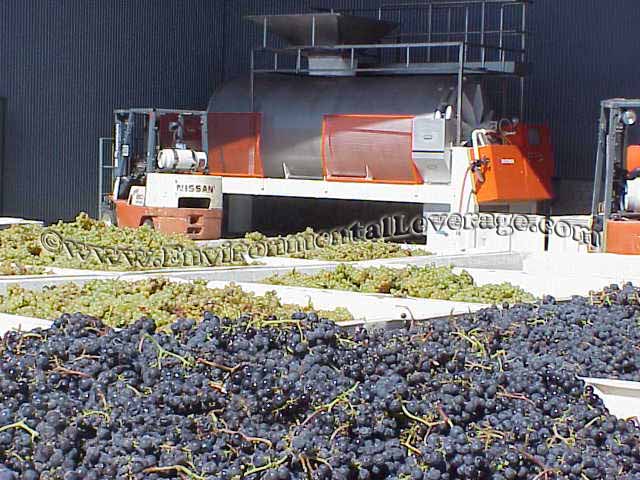
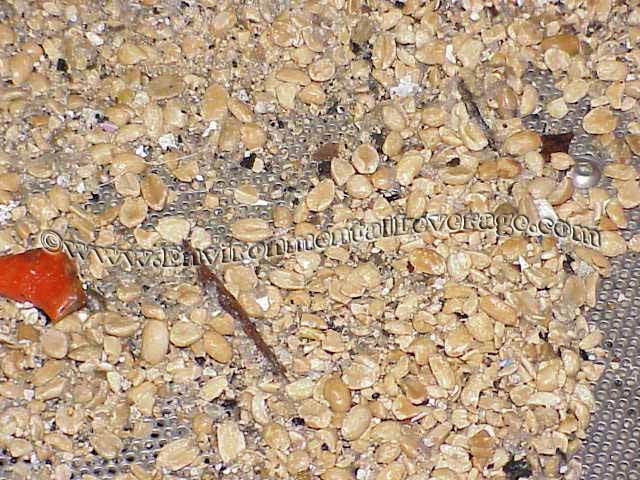
 As
you can see, there are tons of sources of side streams that can be
considered for beneficial reuse. The trick is finding a home for your
byproduct.
As
you can see, there are tons of sources of side streams that can be
considered for beneficial reuse. The trick is finding a home for your
byproduct.