Biological Products:
Bioaugmentation products for Wastewater applications in Papermills, Refineries, Chemical, Tanneries, Municipalities, Textiles, Steel, Agriculture, Animal feedlot, Gun Powder plant, Food and Beverage- Dairy Products, Orange Juice factory, Wineries, Cookie factory, Vegetable processing plant, Meat packing, Barbecue Restaurant, Aquaculture, Ornamental Ponds for algae control, CAFO, Nursing homes, Military, Campgrounds, Universities, Regulatory agencies
Lab Services:
Filamentous Identification Lab Service. One reason to identify filaments is to determine the filaments characteristics and then determine the type present. If the type is found out, a root cause can usually be associated with a particular filament. If the cause is known, then a correction can be made to alleviate problems. Chlorination is only a quick fix. Without process changes, filaments will grow back after chlorination. Wastewater Biomass Analyses and Cooling Tower Analyses also available
Training Materials:
Training is an integral part of any job. Not everyone is at the same level of training. Many people want beginning concepts and basics. Some need technical information or troubleshooting. Some want equipment, technology or process information. We have developed a full set of Basic training, Advanced training, Filamentous Identification the Easy Way as well as custom training CD's Manuals. We also provide hands-on training classes and soon will have an Online "E-University".
Audits and Consulting:
At Environmental Leverage® Inc., we have a team of experienced individuals who come into your plant with a fresh pair of eyes. The system is checked from influent to effluent. System optimization, equipment efficiency and operational excellence are key components explored. Key Benefits Equipment efficiency Total Cost of Operation reductions Reliability and safety An onsite audit is conducted to examine system parameters, process controls, and current monitor and control procedures. A physical walk-through is conducted, process flow diagrams are examined, previous design criteria are examined and current standard operating procedures are evaluated along with data logs.
|
Troubleshooting- Grease removal in Lift StationsLatest News!
What's New!
We have just added "Virtual Audits" to our capabilities. Check out our new Services. We are in the process of developing new courses for our ""Online E-University" in order to meet the needs of our global customers that cannot travel to our public classes.Visit our new website www.WastewaterElearning.com/Elearning
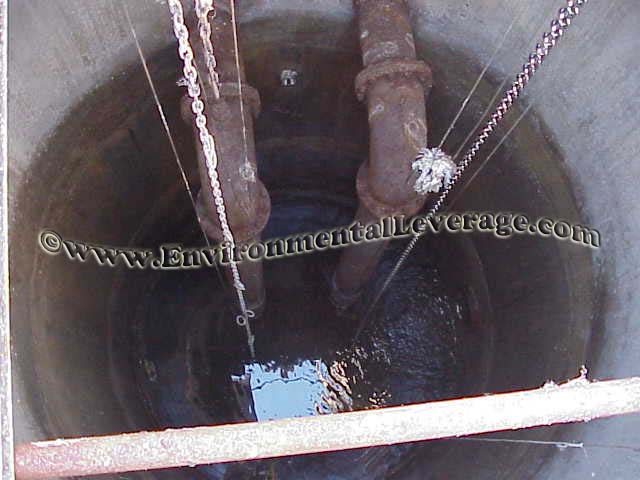
Lift Stations Sewage lift stations are by definition installed in a difficult operating environment. The commonly used prefabricated steel "can" stations are constantly subjected to a corrosive environment on both the interior and exterior of the station. Because these structures are out of sight they often do not receive the type of care and maintenance needed to protect steel surfaces.
Odors
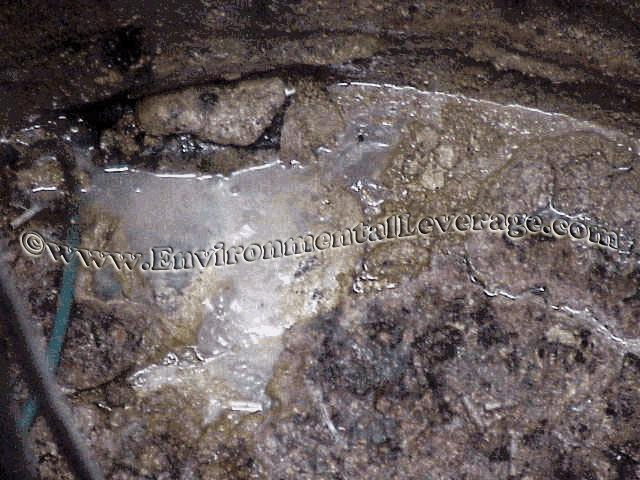
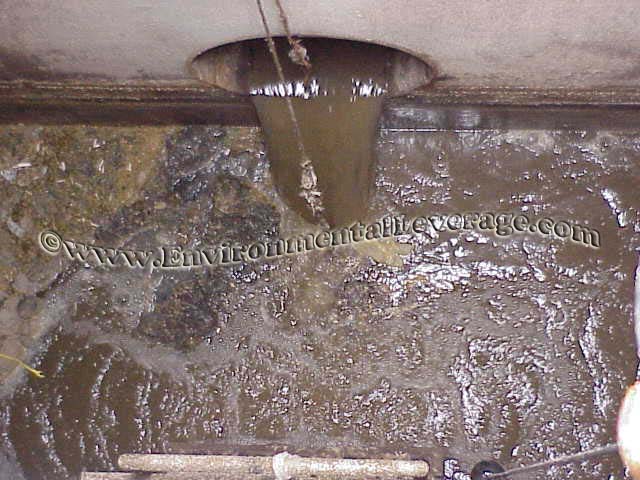
Grease Fats, oil and grease - - also called FOG in the wastewater business - - can have negative impacts on wastewater collection and treatment systems. Most wastewater collection system blockages can be traced to FOG. Blockages in the wastewater collection system are serious, causing sewage spills, manhole overflows, or sewage backups in homes and businesses. With the increase in fast food restaurants, many municipalities are having problems with an increase in grease build-up in their lift stations.
In the sewage collection and treatment business Grease or FOG is singled out for special attention because of its poor solubility in water and its tendency to separate from the liquid solution.
Large amounts of oil and grease in the wastewater cause trouble in the collection system pipes. It decreases pipe capacity and, therefore, requires that piping systems be cleaned more often and/or some piping to be replaced sooner than otherwise expected. Oil and grease also hamper effective treatment at the wastewater treatment plant. Grease is the number one cause of foaming and bulking, especially Nocardia and M. parvicella.
Grease in a warm liquid may not appear harmful. But, as the liquid cools,
the grease or fat congeals and causes nauseous mats on the surface of
settling tanks, digesters, and the interior of pipes and other surfaces
which may cause a shutdown of wastewater treatment units.
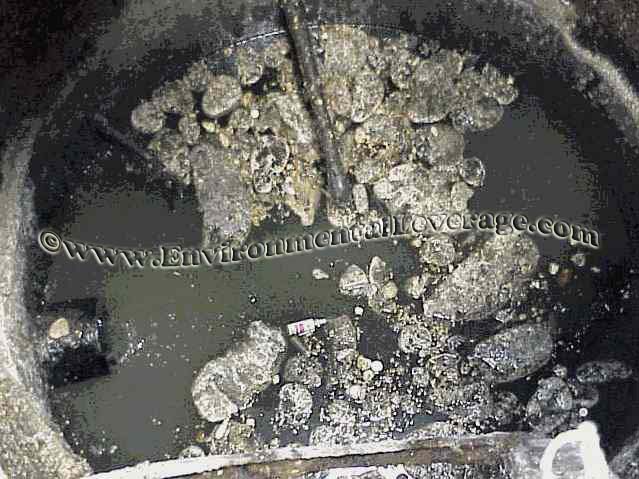
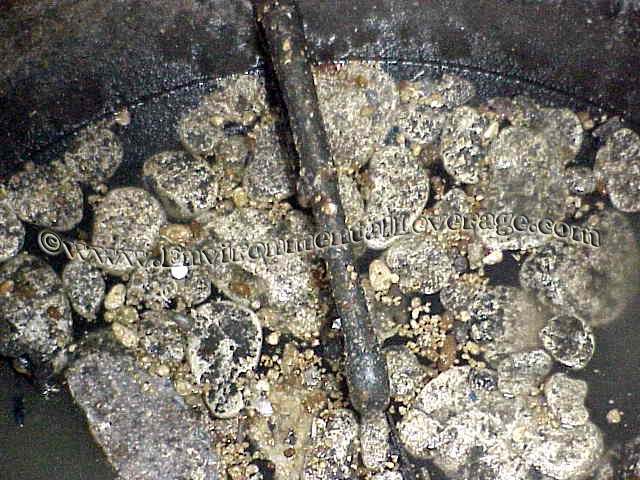
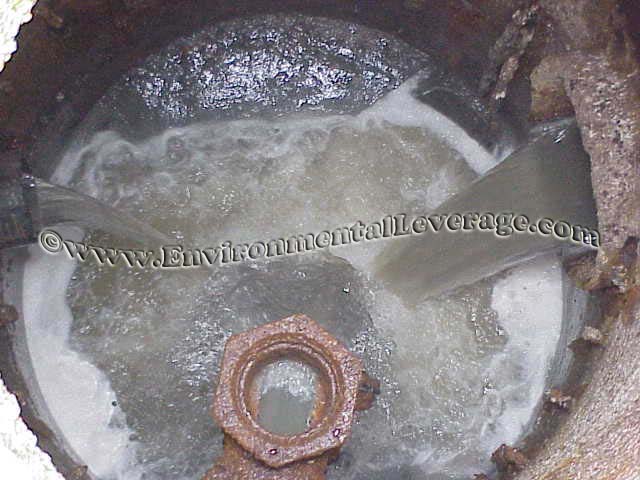
Grease can harden and cause floating "turtles" in the lift station that are hard to break down. These can easily clog pipe openings and cause serious problems if they make their way through the system.
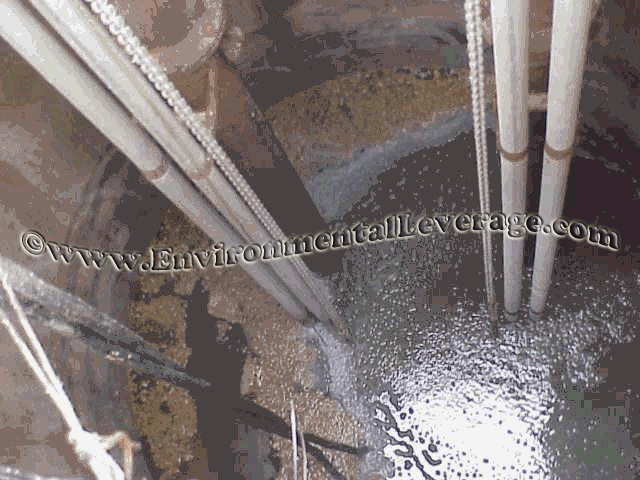
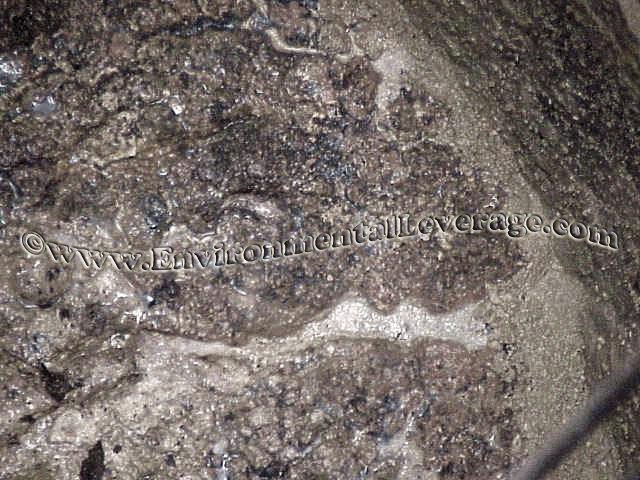
Grease can cause a scum layer to build up on the sidewalls of the lift station. One way to help solve the problems for Grease build-up is to add
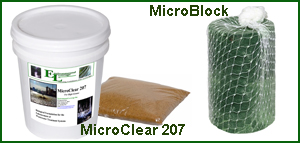
biological products. Pictured above is 2 products for use upstream in
lift stations and whereever grease has built up. With water soluble pouches
or solid block formulations makes ease of use. Not only does it help eliminate grease
build-up, it lowers maintenance costs, helps to
control odors and helps to keep the lines clean also. Biological products
are used to actually digest and convert the grease to biosolids in the lift
station and the pipes as opposed to chemicals which move the grease from
point A to point B. Chemicals may remove grease from
Click Sentence below for FOG & Odor control products. Bioaugmentation Products for FOG Control in Wastewater.
More information on Grease (FOG), Click
links below: 1 Collection systems and Sewers 5 Collection systems troubleshooting for Grease and Oil (FOG) 7 Controlling FOG in Municipalities and Industrial Facilities with MicroClear® BioNite™
What is growing in your Collection System?
Bioaugmentation Solutions for Lift stations,
Wet Wells and Collection Systems;
1
MicroBlock - Solid block biological products
that are specifically and large restaurant grease traps to remove grease build-up and help increase degradation capabilities.
2 MicroClear 207 - Lift Station Formulation bacterial formulation is used for softening and degrading food type fat, oils and grease in lift stations but can also be used in any high grease environment.
3 Restaurant formulation-This biological product is a high strength formulation developed to degrade fats oils and grease quickly. It can be used in restaurants, grease traps and drain fields where food based grease is a problem.
4 Sewer Formulation - This product is an improved biological product for Odor Control and FOG digestion. Specifically formulated and packaged for use in sewers to help degrade grease build-up and stop blockage.
|
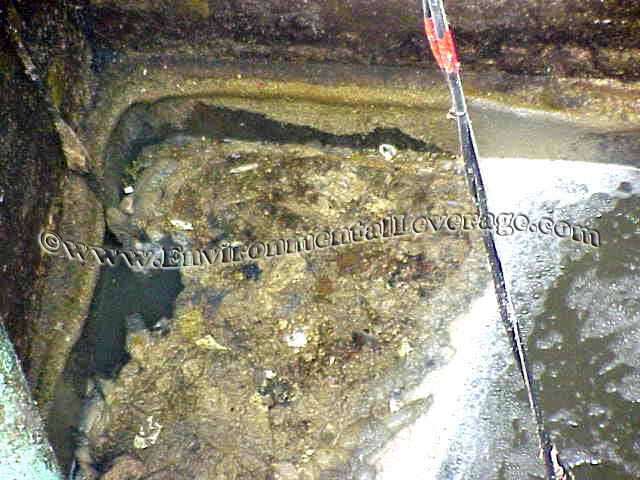 Wastewater
lift stations are used to help transport liquid wastewater from homes and
businesses across the City to the wastewater treatment plant for processing and
cleaning.
Wastewater
lift stations are used to help transport liquid wastewater from homes and
businesses across the City to the wastewater treatment plant for processing and
cleaning. 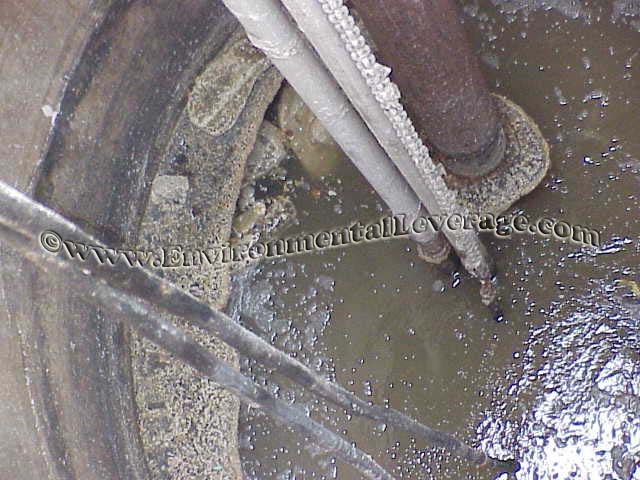 A
significant problem many times with lift stations is FOG as well as odor generation. In
addition to concerns for sewer personnel exposed to accumulated gases, sewer
gases left to accumulate in air-tight environments can create additional
toxic gases and underground potential for explosion, stagnation, and dead
space in lines. Aeration is an option to reduce odor. Many
A
significant problem many times with lift stations is FOG as well as odor generation. In
addition to concerns for sewer personnel exposed to accumulated gases, sewer
gases left to accumulate in air-tight environments can create additional
toxic gases and underground potential for explosion, stagnation, and dead
space in lines. Aeration is an option to reduce odor. Many
 Problems
caused by wastes from restaurants and other grease-producing establishments
have served as the basis for ordinances and regulations governing the
discharge of grease materials to the sanitary sewer system. This type of
waste has forced the requirement of the installation of preliminary
treatment facilities, commonly known as grease traps or interceptors. Two
years ago, the federal government raised the required temperatures for
restaurants from 180 degrees to 210 degrees. The impact on this is that the
grease now does not cool down in the grease traps, but later in the pipes or
lift stations.
Problems
caused by wastes from restaurants and other grease-producing establishments
have served as the basis for ordinances and regulations governing the
discharge of grease materials to the sanitary sewer system. This type of
waste has forced the requirement of the installation of preliminary
treatment facilities, commonly known as grease traps or interceptors. Two
years ago, the federal government raised the required temperatures for
restaurants from 180 degrees to 210 degrees. The impact on this is that the
grease now does not cool down in the grease traps, but later in the pipes or
lift stations.